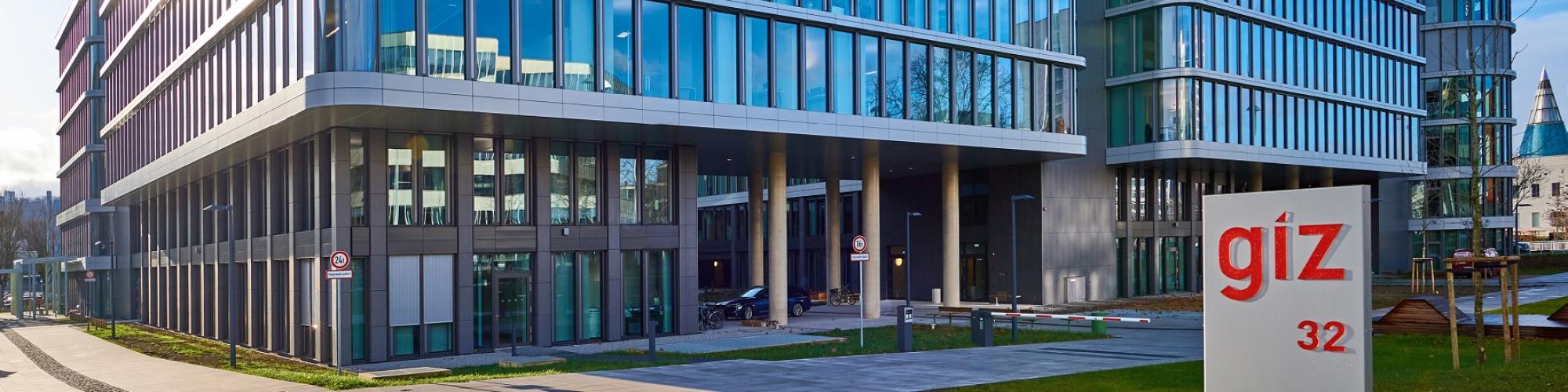
The Deutsche Gesellschaft für Internationale Zusammenarbeit (GIZ) GmbH is committed to sustainable development and a future worth living in around 120 countries. As a non-profit federal enterprise with more than 25,000 employees worldwide, GIZ supports partner countries on behalf of the German Government and other development partners in areas such as promoting employment, protecting the environment and promoting peace and security.
Following the peaceful democratic revolution, a development partnership was established between Germany and Mongolia in 1991. On behalf of the German government, GIZ supported the transition to democracy and a market economy. Today, Mongolia is confronted with new challenges that require urgent attention: Among these challenges is the imperative to utilize the country’s abundant natural resources sustainably while simultaneously protecting its rich biodiversity. Mongolia is one of the most resource-rich countries in the world and has extensive deposits of energy resources, copper, precious metals, rare earths and other critical raw materials. On the one hand, the raw materials sector is the engine of the economy. On the other hand, a one-sided dependence on this sector also poses many risks. It is therefore necessary to take steps to ensure that economic growth benefits all citizens equally.
Protecting ecosystems - preserving biological diversity: We advise the partners on better management and financing of their nature conservation areas and on sustainable forest management. We also help to improve the living conditions of the population living on the outskirts of nature reserves.
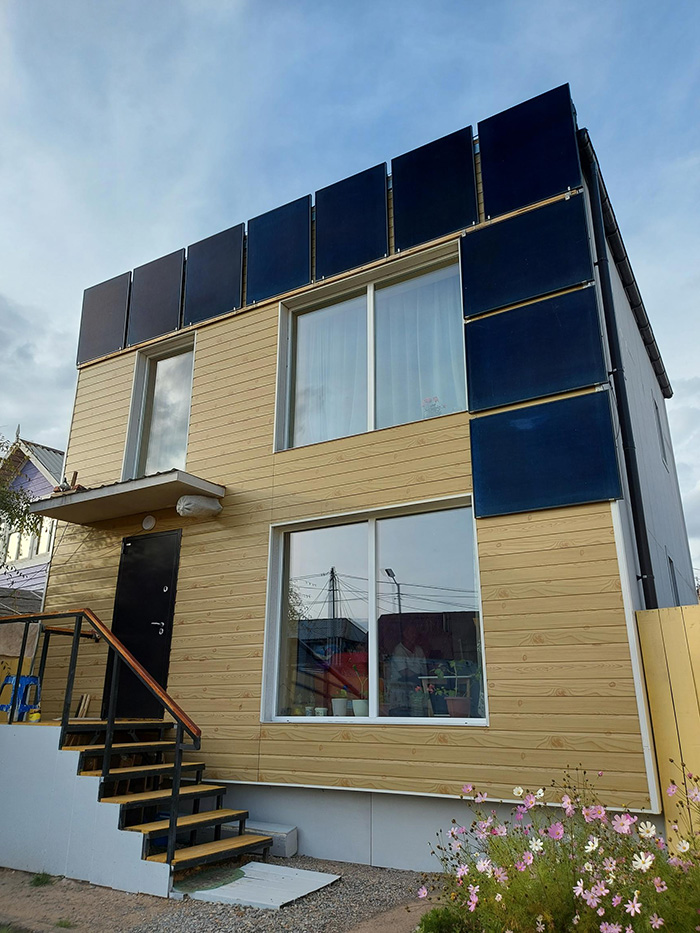
Modernising the supply of electricity and heat, fostering renewable energies: We promote the increased use of renewable energies and an increase in energy efficiency in Mongolia, whose capital Ulaanbaatar is the coldest capital in the world. This initiative contributes to a significant reduction of energy costs and air pollution and improves the quality of life.
Improving the business environment, training skilled labour: Together with the Mongolian Ministry of Education, we have founded the German-Mongolian Institute for Resource and Technology, which specializes engineers to international standards. We are also modernising vocational training based on the German dual system. And we promote the diversification of the economy and the further development of the legal framework for an independent, effective and efficient judiciary. Our cooperation strengthens an independent, democratic and prosperous Mongolia. This also serves the interests of Germany and Europe in terms of increased economic cooperation, access to raw materials markets and the promotion of a rules-based global order.
GIZ's commissioning parties and co-financiers in Mongolia are the German Government as the main commissioning party, the European Union (EU), the Australian Government and the Mitigation Action Facility, an international climate protection initiative. The projects are planned and implemented in close cooperation with the Mongolian government as well as with stakeholders from the private sector and civil society. Gender equality is systematically incorporated into the activities of all projects.
Energy Performance Contracting for Residential Retrofitting in Ulaanbaatar City – RePaRe Project
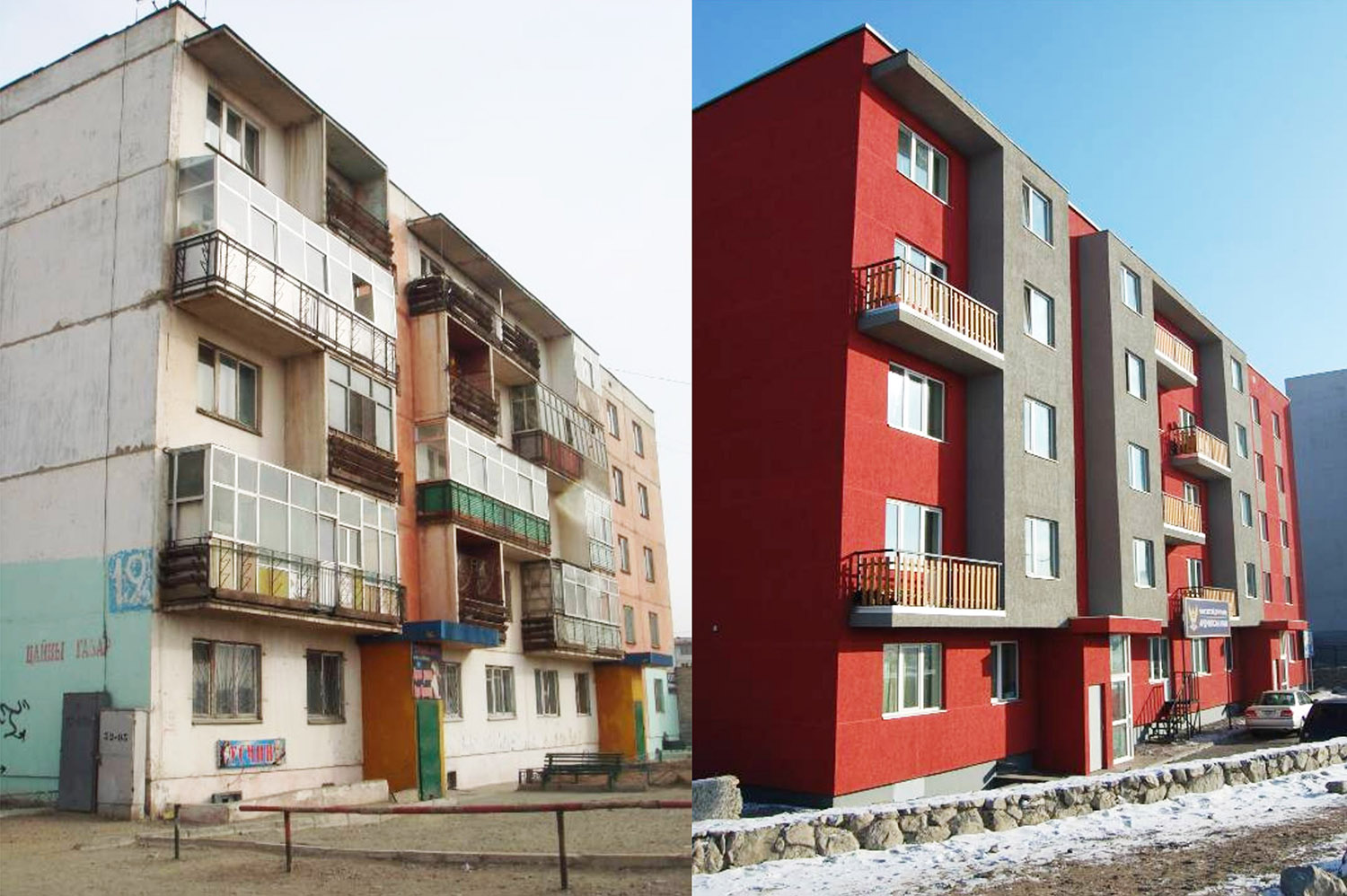
The large-scale thermal retrofitting of prefabricated residential buildings will contribute directly to Mongolia’s Nationally Determined Contribution (NDC) to reduce greenhouse gas emissions by 16.9 million tCO2e or 22.7% by 2030. This Project represents a key mitigation measure in the building sector to fulfill Mongolia’s international commitments. Specifically, the NDC targets a reduction of 830,000 tCO2e from the building sector, of which a significant share is expected to be achieved through thermo-technical retrofitting of prefabricated panel buildings in Ulaanbaatar.
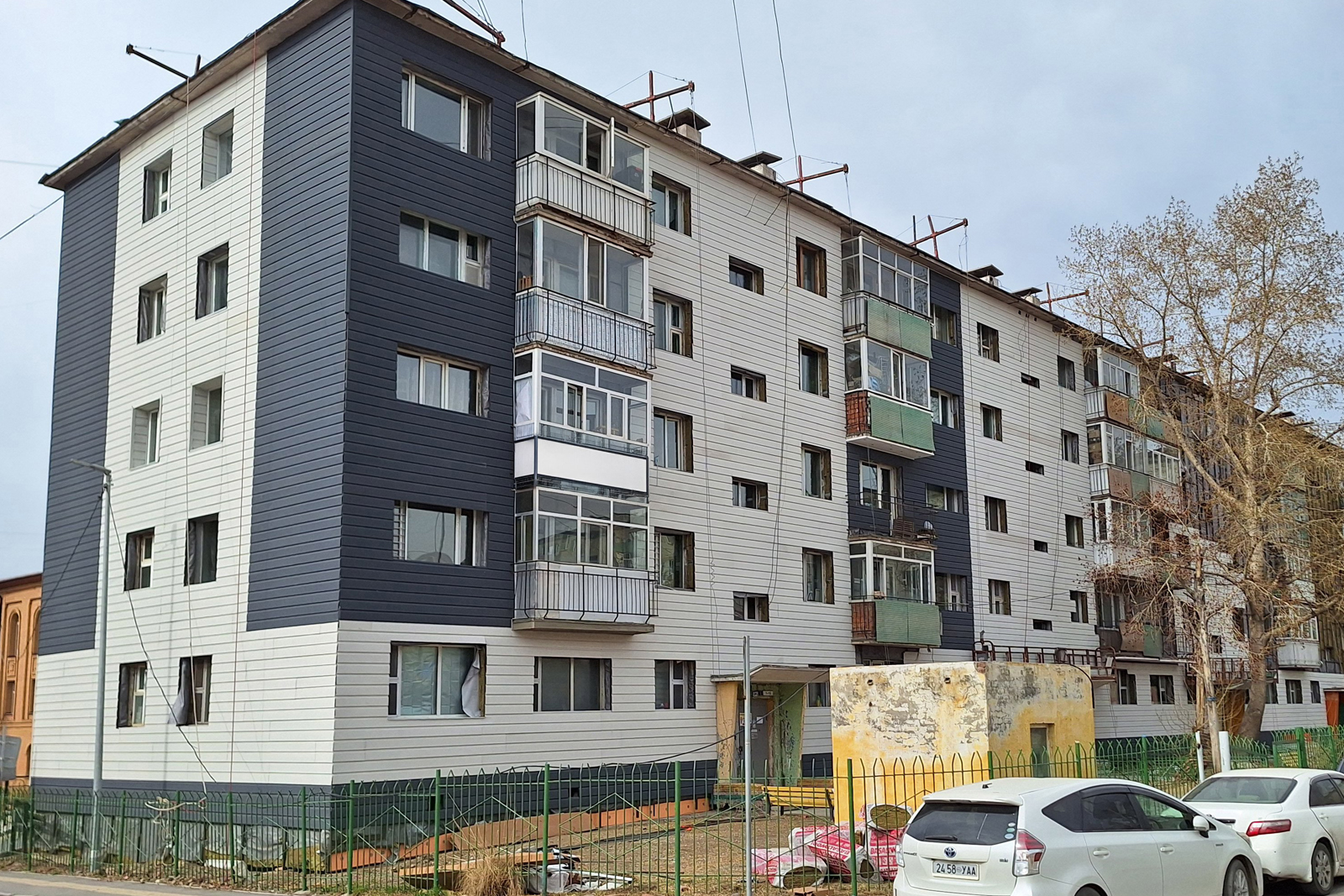
All selected buildings will be located in Ulaanbaatar and consist of a mix of 5, 9, 12 floors buildings.
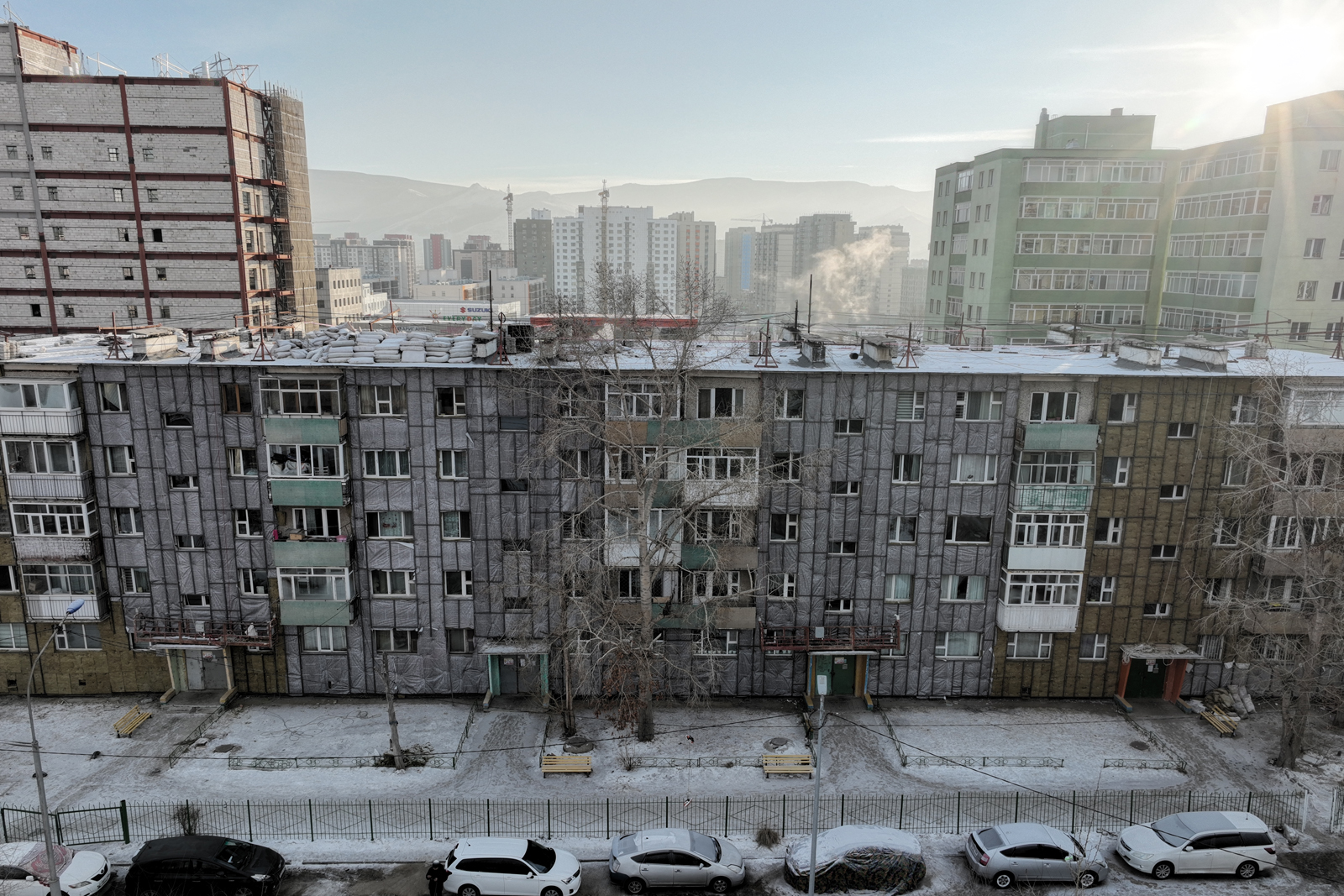
Under the scope of the thermo-technical retrofitting of panel buildings, the following activities will be carried out: insulation of exterior walls including the basements und roofs; installation of mixing loops and heat meters (note: window repair or replacement is not included). As a result of these retrofitting measures, an energy savings potential of at least 40% is expected to be achieved.
Exterior wall insulation: The goal of the thermal retrofitting is to reduce building heat loss by 40% or more. Therefore, the thickness of the insulation materials needs to be calculated and selected to meet this target.
Roof and basement insulation: The existing roof structure will remain unchanged, and adequate insulation will be applied to ensure that the total building heat loss is reduced by at least 40%, achieving the targeted energy savings.
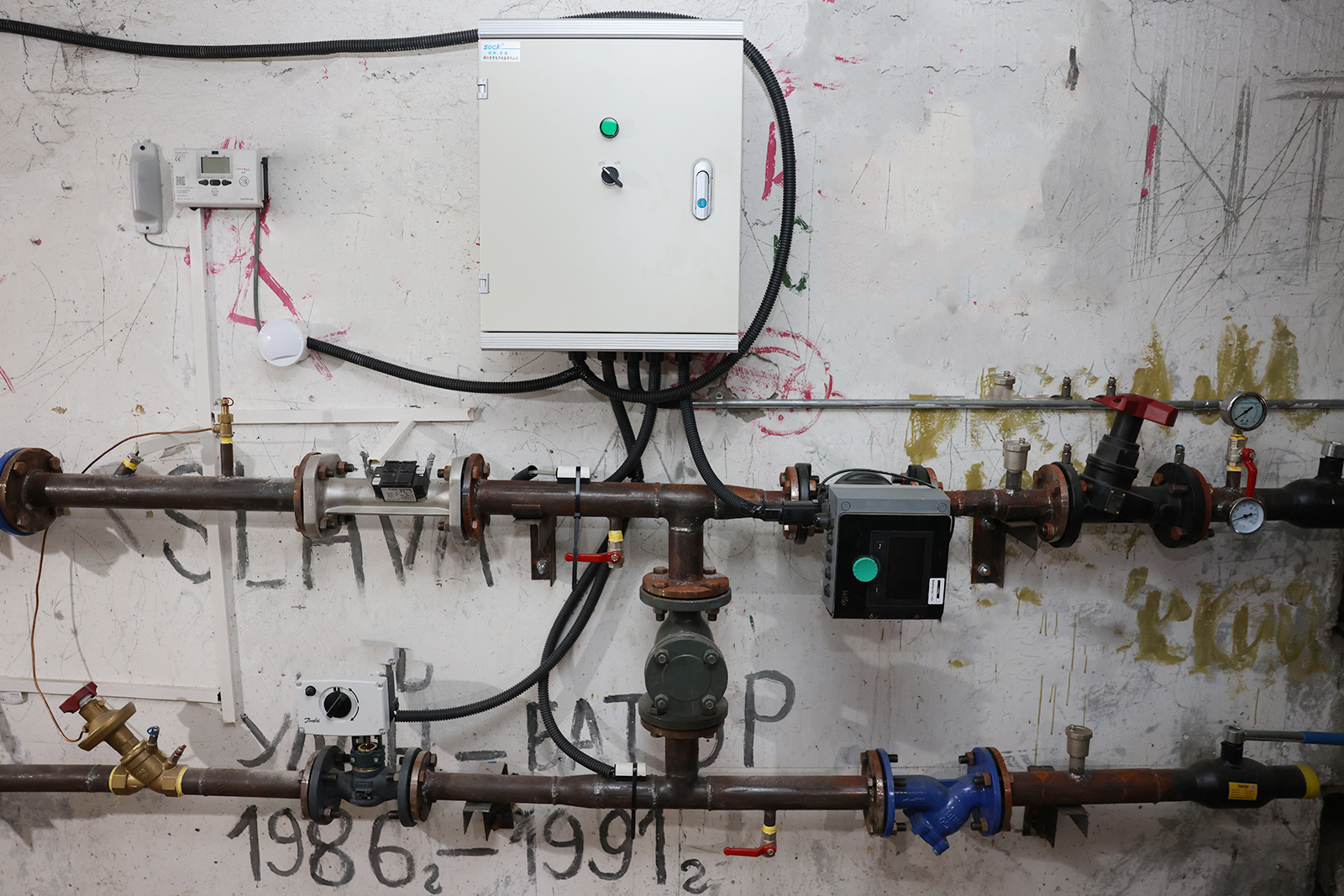
Mixing loops and heat meters: Mixing loops must be installed to regulate the heat amount supplied to the building, which depends on the outdoor and indoor air temperatures. Heat meters will be installed in all buildings blocks in order to measure the actual heat supply.
Prefabricated panel buildings have identical structural designs, allowing for the implementation of the same measures across all buildings. For external wall insulation, only mineral wool (dry technology /ventilated facade with substructure) will be considered. Roof insulation measures and heating units can be standardized for all buildings. A previous assessment of the market capacity for these technologies concluded that there is sufficient supply and delivery capability to successfully implement the project.
Угсармал оронсууцны барилгууд нь хийц бүтээцийн хувьд нэгэн ижил бүтэцтэй тул ижилхэн арга хэмжээг хэрэгжүүлэх боломжтой. Гадна хана дулаалгад зөвхөн эрдэс хөвөн (хуурай технологи / суурь рам бүхий агааржуулалтын үетэй фасад) - г ашиглана.